
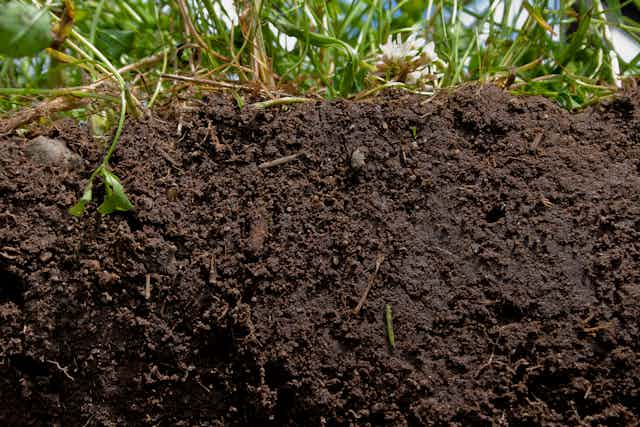
In the bustling world of agriculture, where the focus often revolves around crop varieties, irrigation techniques, and fertilizer formulas, there exists a silent, yet immensely powerful force beneath our feet: soil microbes. These microscopic organisms, including bacteria, fungi, archaea, and protozoa, form a complex ecosystem within the soil, playing a fundamental role in sustaining life on Earth. In this article, we delve into the importance of soil microbes and why nurturing this invisible garden is crucial for the health of our planet and the future of agriculture.
1. Soil Health and Nutrient Cycling:
Soil microbes are the unsung heroes of nutrient cycling. They break down organic matter, such as dead plant material and animal residues, into simpler forms that plants can absorb and utilize for growth. Through processes like decomposition, mineralization, and nitrogen fixation, soil microbes release essential nutrients like nitrogen, phosphorus, and potassium, facilitating their transfer from the soil to plants.
Maintaining a diverse and thriving community of soil microbes is vital for ensuring efficient nutrient cycling and soil fertility. Healthy soils rich in microbial diversity are better equipped to support robust plant growth, resist erosion, and sequester carbon, thus mitigating the effects of climate change.
2. Plant Health and Disease Suppression:
Beyond nutrient cycling, soil microbes also play a pivotal role in supporting plant health and resilience. Certain beneficial microbes form symbiotic relationships with plants, such as mycorrhizal fungi that enhance nutrient uptake and water absorption. These microbial partnerships contribute to improved plant growth, stress tolerance, and disease resistance.
Additionally, some soil microbes possess antagonistic properties, actively suppressing soil-borne pathogens through mechanisms like competition for resources, production of antibiotics, and induction of plant defense responses. Harnessing the power of these beneficial microbes can help farmers reduce reliance on synthetic pesticides and foster more sustainable pest management practices.
3. Soil Structure and Water Retention:
The presence of soil microbes influences soil structure and aggregation, which in turn affects water infiltration, retention, and drainage. Microbial activity, particularly the secretion of extracellular polymers, helps bind soil particles together, creating stable aggregates that improve soil structure and porosity.
Well-structured soils with ample pore spaces allow for better air and water movement, reducing the risk of compaction, runoff, and erosion. Moreover, soil microbes produce substances that enhance soil water-holding capacity, helping plants access moisture during dry periods and mitigating drought stress.
4. Environmental Resilience and Carbon Sequestration:
Soil microbes play a crucial role in maintaining ecosystem resilience and mitigating the impacts of environmental disturbances. By decomposing organic matter and cycling nutrients, soil microbes contribute to soil stability and fertility, enabling ecosystems to recover from disturbances more rapidly.
Furthermore, soil microbes are significant players in the global carbon cycle. As they decompose organic matter, they release carbon dioxide (CO2) into the atmosphere. However, certain soil microbes, particularly those associated with organic matter decomposition and humus formation, also contribute to carbon sequestration, effectively removing CO2 from the atmosphere and storing it in the soil.
Soil microbes are the invisible architects of life beneath our feet, orchestrating vital processes that sustain ecosystems, support agriculture, and regulate our climate. Nurturing the diverse microbial communities within our soils is essential for maintaining soil health, promoting plant productivity, and enhancing environmental resilience. As we strive to build a more sustainable and resilient agricultural system, let us not overlook the importance of tending to this invisible garden and harnessing the power of soil microbes for the benefit of present and future generations.