
In the quest for sustainable and efficient agricultural practices, “no-till” farming has emerged as a game-changer. By minimizing soil disturbance and preserving organic matter, no-till farming offers numerous benefits, including improved soil health, enhanced water retention, and reduced erosion. Now, with the integration of cutting-edge drone technology, the possibilities for optimizing no-till farming practices are expanding even further.
The Role of Drones in No-Till Farming
Drones, also known as unmanned aerial vehicles (UAVs), have swiftly become indispensable tools for modern agriculture, and their application in no-till farming is no exception. Here’s how drones are revolutionizing the no-till approach:
Precision Imaging:
One of the primary advantages of drones in no-till farming is their ability to capture high-resolution aerial imagery of fields. Equipped with advanced cameras and sensors, drones can provide detailed insights into soil composition, crop health, and weed distribution. This data enables farmers to make informed decisions about planting, fertilization, and pest management strategies.
Soil Mapping and Analysis:
Drones equipped with specialized sensors, such as multispectral or hyperspectral cameras, can perform detailed soil mapping and analysis. By capturing data on soil moisture levels, nutrient content, and compaction, drones help farmers identify areas of the field that may require targeted interventions, such as soil amendments or cover cropping, to improve soil health and productivity.
Crop Monitoring and Stress Detection:
In no-till farming systems, monitoring crop health and identifying stressors early on are crucial for maximizing yields. Drones equipped with thermal imaging cameras can detect subtle changes in crop temperature, allowing farmers to pinpoint areas of stress caused by factors like water deficiency, nutrient deficiencies, or pest infestations. This early detection enables prompt intervention, minimizing crop losses and optimizing yields.
Precision Application:
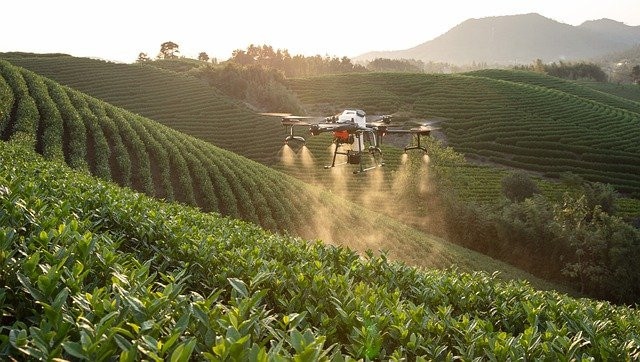
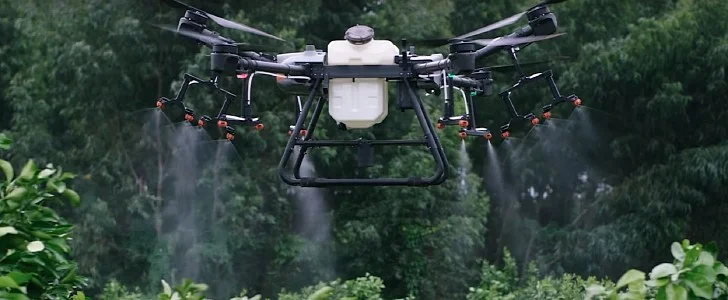
Drones offer the potential for precise and targeted application of inputs, such as fertilizers, herbicides, and cover crop seeds, in no-till farming systems. By utilizing GPS-guided technology and variable rate application systems, drones can deliver inputs exactly where they are needed, minimizing waste and environmental impact while maximizing efficiency and cost-effectiveness.
Weed Management:
Weed control is a significant challenge in no-till farming, where conventional tillage is not used to bury weed seeds. Drones equipped with advanced imaging technology can identify weed infestations with high accuracy, enabling farmers to implement targeted spot treatments or mechanical interventions, such as robotic weeders, to manage weeds without disturbing the soil.
Advantages of Drone-Assisted No-Till Farming
Enhanced Efficiency:
By providing real-time data and actionable insights, drones streamline decision-making processes and enable farmers to implement timely interventions, reducing the need for manual labor and optimizing resource use.
Improved Soil Health:
By minimizing soil disturbance and facilitating targeted interventions, drone-assisted no-till farming promotes soil conservation, organic matter retention, and microbial diversity, leading to improved soil health and long-term sustainability.
Environmental Sustainability:
With precise input application and targeted interventions, drone-assisted no-till farming minimizes the use of synthetic inputs, reduces chemical runoff, and mitigates soil erosion, contributing to environmental conservation and ecosystem health.
As the agricultural industry continues to evolve, the integration of drones into no-till farming practices offers a promising path towards sustainability, efficiency, and productivity. By harnessing the power of high-tech solutions to optimize soil health, crop management, and resource utilization, farmers can cultivate resilient and thriving agricultural systems that benefit both the environment and future generations. With drones as their high-flying allies, the future of no-till farming looks brighter than ever before.